
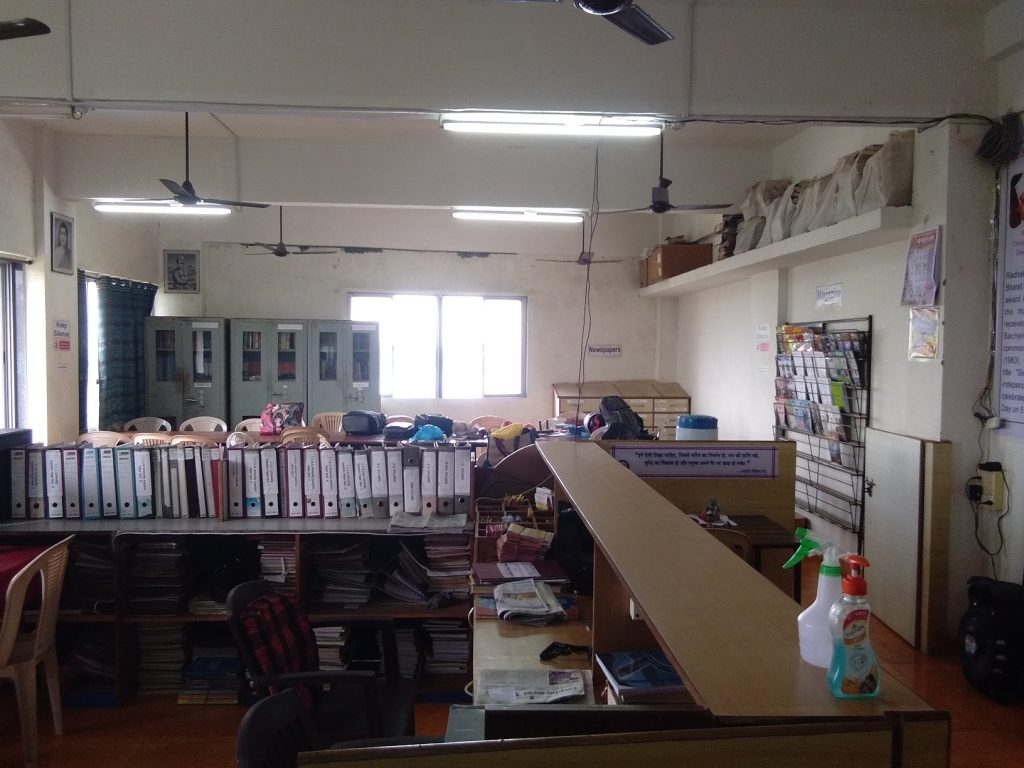
A library is a collection of resources, including books, periodicals, and other media, organized for access and use by a defined community. Libraries can be physical buildings, virtual spaces, or a combination of both, and they serve as a place for learning, research, and entertainment. They offer access to information in various formats, from physical books to digital databases, and provide services like research assistance and program support.
Here’s a more detailed look at libraries:
Importance of Libraries:
Information Literacy:
Libraries promote information literacy by teaching people how to find, evaluate, and use information effectively.
Lifelong Learning:
Libraries provide access to resources that support continuing education and lifelong learning.
Community Hub:
They serve as community hubs, offering spaces for reading, study, and social interaction.
Cultural Preservation:
Libraries preserve and promote cultural heritage through their collections.
Economic Development:
They can play a role in economic development by providing resources and support for job seekers and entrepreneurs.
